New Brunswick doesn’t always get the spotlight, but it should. It’s full of wild nature, unique roadside attractions, and a culture that’s relaxed and super interesting. Whether you live here or you’re just visiting, these 20 fun facts might surprise you (or make you want to pack your bags):
1. It Has the Highest Tides in the World
The Bay of Fundy sees the most dramatic tidal changes on Earth—up to 16 meters (52 feet) in a single day. You can watch boats resting on dry ground one moment, then floating several stories higher just hours later. It’s one of the world’s most mind-blowing natural wonders.
2. You Can Walk and Drive on the Ocean Floor
At low tide, the ocean floor becomes your playground. Stroll beneath the towering rock formations at Hopewell Rocks or drive to Ministers Island near St. Andrews. But don’t lose track of time—the tides return fast!
3. It’s Canada’s Only Officially Bilingual Province
In New Brunswick, English and French have equal legal status. Road signs, school systems, and government services are all bilingual, reflecting the province’s deep Acadian roots and multicultural identity.
4. Magnetic Hill Feels Like Magic
Just outside Moncton, Magnetic Hill is a bizarre optical illusion where your car seems to roll uphill in neutral. It’s become a popular tourist stop—and a fun trick to show off to visitors.
5. Saint John is Canada’s Oldest City
Incorporated in 1785, Saint John holds the title as the first officially recognized city in Canada. Its historic uptown district is filled with Victorian architecture, cozy pubs, and a lively arts scene .
6. The Reversing Falls Are a Real Thing
The Saint John River meets the Bay of Fundy with such force that it causes rapids to reverse direction twice a day. You can watch it from the Reversing Falls Skywalk or take a jet boat ride right through them.
7. Covered Bridges are a Big Deal Here
New Brunswick has more than 50 charming covered bridges. The crown jewel is Hartland Covered Bridge, the longest covered bridge in the world, stretching 1,282 feet across the Saint John River.
8. There’s a French Fortress
Fort Beauséjour, near the Nova Scotia border, was built in the mid-1700s by the French to defend Acadia. Now a historic site, it offers sweeping views, walking trails, and a glimpse into colonial conflicts.
9. You can Hunt for Real Fossils
Fundy National Park and nearby coastal areas are rich in prehistoric treasures. You might find fossilized plants, ancient marine life, or even dinosaur-era relics hidden in the red sandstone.
10. You Might See the Northern Lights
In the far northern regions of the province, particularly during fall and winter, clear nights may reward you with a dazzling aurora borealis display. It’s pure magic if you catch it.
11. The Acadian Flag Was Born Here
New Brunswick is th birthplace of the Acadian flag, first flown in 1884. The red, white, and blue banner with a yellow star is now a powerful symbol of Acadian identity across the Maritimes.
12. Crystal Palace Was One of the Oldest Amusement Parks
Located in Dieppe, Crystal Palace was a nostalgic indoor amusement park beloved by Maritime families until it closed in 2014. Locals still share stories of its carousel and iconic play zones.
13. There’s a Whole Museum for Potatoes
Florenceville-Bristol, home to McCain Foods, proudly calls itself the French Fry Capital of the World. Potato World Museum dives deep into New Brunswick’s agricultural history and love of the spud.
14. And a Museum for Chocolate Lovers
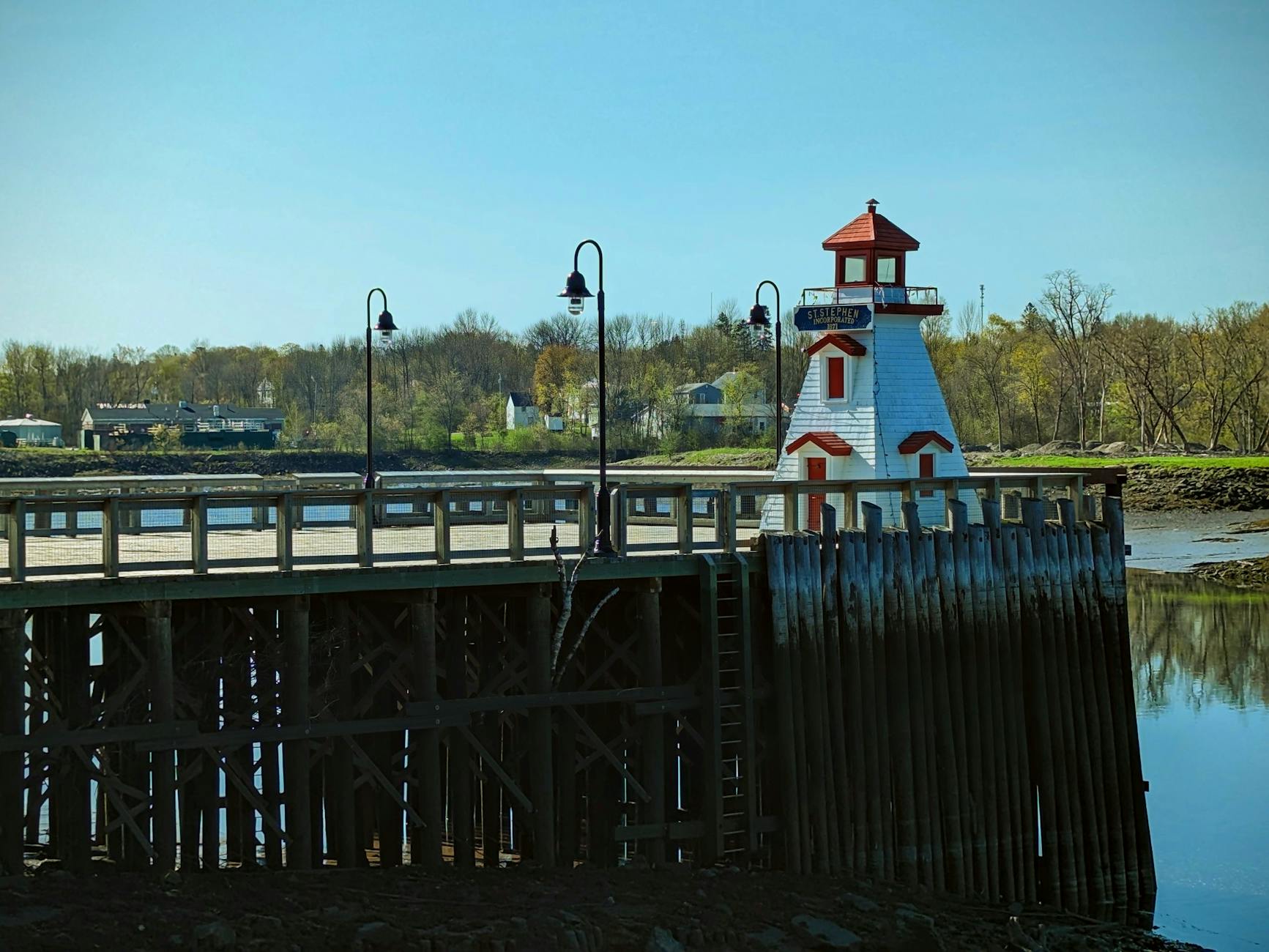
The Ganong Chocolate Museum in St. Stephen showcases the legacy of Canada’s oldest candy company. Bonus: you get to taste-test your way through their sweet timeline.
15. The Biggest Powwow in Atlantic Canada Happens Here
Each summer, the Tobique First Nation (Negotkuk) hosts a massive powwow celebrating Indigenous culture through drumming, dancing, and food. It draws thousands of people from across the region.
16. Some Places Have Two Names
Thanks to the bilingual nature of the province, towns like Grand Falls (Grand-Sault) and others often go by both English and French names—each with its own unique local pronunciation.
17. Famous Authors Were Born Here
New Brunswick has produced some literary giants, including David Adams Richards, who won the Giller Prize, and Antonine Maillet, the first non-European to win France’s Prix Goncourt.
18. Moose Are Basically Locals
In northern New Brunswick, moose sightings are common—especially near dusk. They’re majestic to spot from a distance but keep your eyes on the road while driving.
19. You Can Drive Across the Ocean (No, Really)
When the tide is low, a gravel road emerges from the water leading to Ministers Island. It’s a once-in-a-lifetime experience—just be sure to leave before the tide comes back in.
20. It’s Full of Ghost Stories and Legends
New Brunswick has its fair share of haunted lore. French Fort Cove in Miramichi is said to be haunted by the Headless Nun, a chilling figure who allegedly roams the woods in search of her head. At Cape Enrage, lighthouse keepers have reported ghostly whispers and flickering lights. And in St. Andrews, the grand Algonquin Resort has long been rumored to be home to spirits, with tales of phantom footsteps, apparitions in mirrors, and unexplained cold spots in certain rooms.
Plan Your New Brunswick Road Trip
Want more fun facts, hidden gems, and travel inspo? Check out WhatsGoodAtlantic.com and follow along for more East Coast gems.
Subscribe to our newsletter so you don’t miss out on everything happening across East Coast Canada!

Leave a Reply